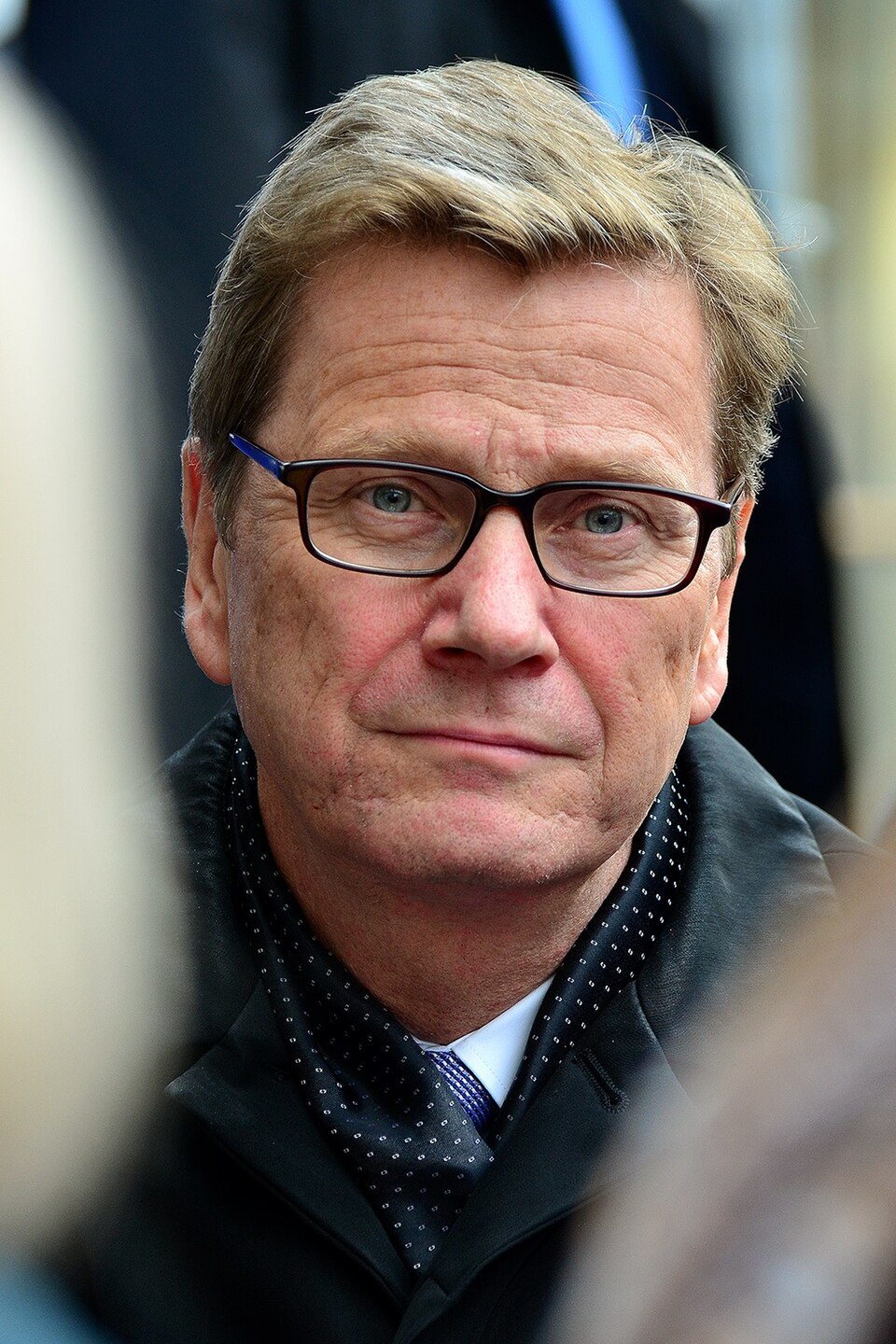
Who Were Guido Westerwelle's Parents? A Look at His Family Background
Guido Westerwelle, a prominent figure in German politics who served as Vice Chancellor and Minister of Foreign Affairs, left an indelible mark on the nation's political landscape. While his public life was well-documented, a deeper understanding of his personal journey begins with examining his foundational years – specifically, the influence of his parents and his early family environment. The question of Guido Westerwelle Eltern (Guido Westerwelle's parents) reveals crucial insights into the formative experiences that shaped his intellect, ambition, and eventual career path.
Born on December 27, 1961, in the charming West German city of Bad Honnef, Guido Westerwelle entered a household that was both intellectually stimulating and, eventually, a testament to resilience. His parents, Heinz and Erika Westerwelle, were both accomplished lawyers. This professional background undoubtedly played a pivotal role in creating an atmosphere steeped in logical reasoning, debate, and a deep appreciation for legal structures, elements that would later become hallmarks of Guido's own public persona and political ideology.
The Intellectual Foundation: A Household of Lawyers
The fact that both of Guido Westerwelle's parents, Heinz and Erika, were practicing lawyers is more than just a biographical detail; it's a significant indicator of the intellectual and developmental environment in which he grew up. A household led by two legal professionals would likely have been characterized by several key elements, all of which could have profoundly impacted young Guido:
- Emphasis on Logic and Argumentation: Lawyers are rigorously trained to think critically, analyze complex information, and construct compelling arguments based on evidence and legal precedent. Growing up in such an environment would have naturally exposed young Guido to rigorous debate, the importance of precise language, and the art of persuasive argumentation from a very early age. This would have been an invaluable asset in his future political career, where effective communication and robust argumentation are paramount for shaping public opinion and policy.
- Understanding of Justice and Rule of Law: With parents immersed in the legal system, there would have been a constant, perhaps even subconscious, reinforcement of the principles of justice, fairness, and the importance of a structured society governed by laws. These core values align strongly with the liberal principles championed by the Free Democratic Party (FDP), which Westerwelle would later lead with such conviction.
- Exposure to Complex Societal Issues: Legal work often involves grappling with real-world problems, ethical dilemmas, and intricate regulatory frameworks. This would have provided Guido with early exposure to the complexities of the world, fostering a nuanced understanding of social and political issues long before he formally entered public life. It's plausible that dinner table conversations might have touched upon current events through a legal lens, sparking his interest in public affairs.
- Discipline and Diligence: The legal profession demands meticulous attention to detail, extensive research, and disciplined work habits. It's highly plausible that these traits were instilled in Guido through observation and expectation within his family, contributing significantly to his later academic rigor and professional successes. The pursuit of excellence, critical in law, likely permeated his upbringing.
This unique upbringing, where the language of law and logic was commonplace, undoubtedly laid the groundwork for his own academic pursuits and, ultimately, his political identity. His parents, as intellectuals and professionals, provided a powerful, albeit perhaps unconscious, role model for his future ambitions, setting a high bar for intellectual engagement and public service.
Early Life Challenges: Divorce and a Childhood in Bonn
While the intellectual environment provided a strong foundation, Guido Westerwelle's early family life was also marked by a significant personal challenge: the divorce of his parents, Heinz and Erika, when he was just eight years old. This event, occurring around 1969, would have undoubtedly had a profound impact on a young child, often forcing premature maturity and a re-evaluation of personal stability.
Following the divorce, Guido moved to Bonn and was primarily raised by his father, Heinz Westerwelle, alongside his three brothers. Growing up with a single parent, even one as capable and professional as a lawyer, often necessitates a different kind of resilience and independence from a young age. This experience may have instilled in him a heightened sense of responsibility, self-reliance, and perhaps even a drive to create stability and control in his own life – traits that are highly beneficial for an aspiring politician. The context of living in a household predominantly with his father and brothers also hints at a potentially masculine-dominated environment, which could have further influenced his assertiveness and competitive spirit, qualities he certainly displayed in his political career.
Bonn itself played a crucial role in shaping Westerwelle's early interests and perspectives. As the provisional capital of West Germany during his formative years, Bonn was a vibrant hub of political activity, discussion, and decision-making. This proximity to the heart of German politics would have provided a fertile ground for his nascent interest in public affairs, which he developed alongside a passion for horseback riding during his school years. The city's atmosphere, coupled with the intellectual legacy of his parents, created a powerful synergy that propelled him towards a career in public service.
To delve deeper into this period of his life and understand the intricacies of his early family dynamics, you might find more insights in articles such as Guido Westerwelle's Parents: Divorce, Law, and a Childhood in Bonn.
Following the Legal Path: Education and Early Career
It comes as no surprise, given his family background and the intellectual atmosphere fostered by his parents, that Guido Westerwelle chose to pursue a career in law. This decision wasn't merely a casual choice but a direct continuation of the intellectual lineage established by his Guido Westerwelle Eltern. After graduating from the Ernst-Moritz-Arndt Gymnasium in Bonn in 1980, he enrolled in law at the prestigious University of Bonn, the very city that had witnessed his political awakening and was a bastion of academic excellence.
His academic journey was marked by diligence and success, mirroring the dedication likely modeled by his parents:
- 1987: Passed his first state legal exam. This initial step certified his foundational legal knowledge and analytical skills, placing him firmly on the path to becoming a jurist.
- 1991: Passed his second state legal exam, solidifying his qualifications to practice law professionally. This rigorous examination process is a benchmark for legal professionals in Germany and demonstrates his mastery of complex legal concepts and procedures.
- 1994: Earned his Doctor of Law degree from the Fernuniversität in Hagen, defending a dissertation titled "Party Law and Political Youth Organizations." This specific topic reveals a fascinating intersection of his legal training and his burgeoning political career, demonstrating an early, sophisticated understanding of the legal frameworks governing political entities – knowledge undoubtedly informed by his upbringing and early political involvement.
Westerwelle actively practiced law in Bonn until 1996, gaining valuable practical experience in the field his parents mastered. This period of his life was not just about professional development; it was about integrating his deep understanding of legal principles with his burgeoning passion for politics. The skills honed in law school and during his legal practice – meticulous research, analytical thinking, the ability to construct persuasive arguments, and a deep understanding of regulations – proved to be invaluable tools for his rapid ascent in the political arena, allowing him to approach policy and governance with a lawyer's precision.
For a closer look at how his parents' profession specifically influenced his early choices and the trajectory of his initial career, explore Guido Westerwelle: The Lawyer Parents Who Shaped His Early Life.
Beyond Family: The Swift Rise in Politics
While his family background provided a strong intellectual and ethical foundation, Guido Westerwelle's political career was ultimately a testament to his own ambition, intellect, and strategic acumen. His engagement in politics began remarkably early, running parallel to his legal studies and practice, demonstrating an innate drive for public service and leadership.
In 1980, the same year he graduated from Gymnasium, he joined the liberal Free Democratic Party (FDP). His commitment was immediate and profound: he was one of the founding members of the Young Liberals, the youth wing of the FDP. By 1983, his leadership qualities were recognized by his peers, and he was elected leader of the Young Liberals, a significant national position he held until 1988. This early leadership experience at a national level was critical, allowing him to hone his political skills, build extensive networks, and articulate a clear political vision.
His trajectory continued upward with remarkable speed and consistency:
- 1988: Became a member of the FDP's executive committee, signaling his rising influence within the party's core leadership.
- 1990: Actively supported the 1:1 exchange of East German marks for West German marks during German reunification. This bold, albeit economically controversial, stance demonstrated his capacity for decisive action and a willingness to champion policies he believed were essential for national unity, even when facing criticism.
- 1993-2000: Served as chairman of the FDP's Bonn city branch, maintaining a strong connection to his roots and local political base while expanding his national political reach.
- 1994: Appointed secretary-general of the FDP, a crucial organizational and strategic role within the party, further solidifying his position as a key internal player.
- 1996: Became a member of the Bundestag, the German parliament, officially cementing his status as a national politician and providing him with a platform to influence national policy.
From here, Westerwelle's career continued its ascent, leading him to become chairman of the FDP in 2001, a candidate for chancellor in 2002, and ultimately, Vice Chancellor and Minister of Foreign Affairs in the coalition government formed in 2009. His journey, from a child in a lawyer's household in Bad Honnef to one of Germany's most recognizable and influential political figures, is a compelling narrative of ambition fueled by a unique blend of personal experiences, a strong foundational education, and an unwavering commitment to his political ideals.
Conclusion: The Enduring Influence of Guido Westerwelle's Parents
In examining Guido Westerwelle Eltern, we uncover more than just names; we reveal the profound environmental and intellectual forces that shaped one of Germany's significant political leaders. His parents, Heinz and Erika Westerwelle, both accomplished lawyers, provided an early home environment rich in logic, debate, and an innate understanding of the legal system. This professional background undoubtedly instilled in young Guido a rigorous intellectual approach, a strong sense of structure, and a deep appreciation for the rule of law.
While the divorce of his parents at an early age presented personal challenges, it also potentially fostered resilience, independence, and a drive for personal agency – characteristics vital for his later political success. Westerwelle's decision to pursue law, culminating in a doctorate focused on party law, was a direct reflection of his family's legacy and a strategic choice that equipped him with invaluable analytical and rhetorical skills for his political career. His rapid ascent from a young liberal activist to Vice Chancellor and Foreign Minister was built upon this solid foundation – a testament to how deeply early influences, both supportive and challenging, can mold future trajectories. His life story, though cut short in 2016, stands as a powerful example of how family background, even with its complexities, can serve as a potent catalyst for an extraordinary public life and a lasting political legacy.